

She had already rewritten our history inside her mind. In her version, she was an ambitious woman escaping a man too small for her future.
Nothing I said would matter.
So instead of begging, I simply nodded once.
“Okay.”
She blinked. “Okay?”
“If that’s how you feel.”
I think my calmness confused her more than anger would have.
People preparing to leave often secretly want resistance. They want emotional drama because it validates the importance of their departure.
I didn’t give her that.
I stood up calmly and walked to the balcony.
Behind me she spoke again, almost defensively now.
“You act like this doesn’t affect you.”
“It does.”
“Then why are you being so cold?”
I stared out into the dark parking lot below.
“Because I’m realizing I’ve been trying to earn respect from someone who already decided I’m beneath her.”
Silence.
Then came the anger.
“You always twist things.”
“No,” I said quietly. “I just finally heard you clearly.”
She moved out three days later.
Officially, she said she needed “space.”
Unofficially, she had already started spending time with a man named Adrian from her company.
I found that out through Instagram.
Of course.
That’s how modern betrayals happen now. Publicly. Casually. Wrapped in captions about growth and self-discovery.
At first it was group dinners.
Then rooftop bars.
Then wine tastings.
Then suddenly he appeared in every picture beside her like he had always belonged there.
Adrian looked exactly like the kind of man Vanessa used to mock privately years ago.
Flashy watch. Perfect beard. Constant luxury branding. Expensive car leased entirely for appearance. The kind of guy who says “networking” instead of “drinking with coworkers.”
But he looked impressive online.
Which was enough.
Mutual friends started acting awkward around me.
A few tried to comfort me.
Others quietly disappeared because people love proximity to excitement more than loyalty to heartbreak.
Meanwhile, my apartment became painfully silent.
The first two weeks were brutal.
Not because I missed Vanessa specifically.
I missed routine.
I missed companionship.
I missed the version of our future I thought existed.
People underestimate how much grief comes from losing imagined tomorrows.
I kept reaching for my phone to send her things before remembering she was probably in some upscale downtown restaurant posting cocktails beside another man.
The humiliation wasn’t even the breakup itself.
It was how quickly she seemed happier without me.
That destroys people psychologically.
Watching someone you sacrificed for immediately glow brighter once you disappear.
But eventually something strange happened.
The silence stopped hurting.
I started sleeping better.
I stopped feeling anxious every evening wondering whether I was exciting enough, ambitious enough, impressive enough.
The apartment slowly became peaceful again.
I started going to the gym consistently.
Started reconnecting with old friends.
Started cooking real meals instead of constantly eating wherever Vanessa wanted pictures taken.
One Friday night, about a month after the breakup, my friend Marcus dragged me to a small cabin trip outside the city with a group of people I barely knew.
I almost refused.
Then I realized something important.
The woman I loved already left.
Sitting alone in my apartment pretending life ended would not bring her back.
So I went.
That weekend changed me more than the breakup itself.
Not because I met someone new.
Because I remembered who I was before I started shrinking myself to fit somebody else’s expectations.
We spent the weekend hiking, grilling food, drinking beer beside a lake, and laughing about stupid things until two in the morning. Nobody cared about status there. Nobody cared about followers, luxury aesthetics, or appearing impressive.
I realized how exhausted I had become trying to perform adulthood instead of living it.
On the second night, Marcus looked at me while we sat near the fire.
“You know what your problem was?”
“What?”
“You spent years trying to convince someone your value existed instead of noticing that the right people never require convincing.”
That sentence stayed with me.
Because he was right.
Love should not feel like a job interview.
Two months passed.
Vanessa’s online life kept getting louder.
Luxury hotels.
Cocktail parties.
Business trips.
Smiling selfies.
Adrian everywhere.
If you looked at her Instagram, you would think she was living a dream.
Then one Tuesday evening, I heard a knock at my apartment door.
I opened it expecting a delivery driver.
Instead, Vanessa stood there holding two suitcases.
For a second, neither of us spoke.
She looked different.
Still beautiful.
But exhausted.
Like someone who had not slept properly in weeks.
Her confidence was gone.
Not entirely.
Just cracked.
“Nathan,” she said softly.
I stared at the suitcases.
“What’s this?”
Her eyes shifted downward briefly. “Can I come in?”
I should have said no immediately.
Instead I stepped aside automatically because old habits survive longer than love does.
She walked into the apartment slowly like someone entering a museum built from memories.
Everything looked mostly the same.
Except cleaner.
Calmer.
Healthier.
No piles of unopened packages.
No tension floating invisibly through the rooms.
She noticed it too.
“You redecorated.”
“A little.”
Actually I hadn’t changed much physically.
The difference came from emotional atmosphere.
She sat carefully on the couch while I remained standing.
“What happened?” I asked.
For several seconds she didn’t answer.
Then finally she whispered, “Things with Adrian didn’t work out.”
There it was.
The reality behind the glamorous posts.
I waited quietly.
“He wasn’t who I thought he was.”
I almost laughed at how predictable that sounded.
Instead I asked, “And?”
“And I lost my apartment.”
I blinked slowly.
“What?”
Her face tightened with embarrassment.
“The company downsized last month. My department got hit hard.”
Everything suddenly clicked together.
The panic behind her eyes.
The exhaustion.
The suitcases.
The sudden reappearance.
She continued speaking quickly now, desperate to justify herself before I judged her too harshly.
“I thought I had another offer lined up, but it fell through. Adrian said I could stay with him temporarily but…” She swallowed hard. “He started seeing someone else.”
Of course he did.
Men like Adrian collect attention. They do not build stability.
Vanessa looked up at me carefully.
“I didn’t know where else to go.”
That sentence hit me harder than I expected.
Not because it made me feel powerful.
Because it revealed something deeply sad.
When life collapsed, she instinctively came back to the man she once called insufficient.
The safe man.
The boring man.
The man she claimed was holding her back.
I walked to the kitchen silently and poured myself water.
She followed me with nervous eyes.
“I know I hurt you,” she said quietly.
I nodded once.
“I was stupid.”
Still I said nothing.
Then finally she whispered the real question.
“Could I stay here for a little while?”
Silence filled the apartment.
A year earlier I would have agreed instantly.
Love used to make me self-destructive.
But heartbreak changes people in irreversible ways.
I leaned against the counter slowly.
“You left because you thought I wasn’t enough.”
Her eyes watered immediately.
“Nathan—”
“No. Let’s be honest for once.” My voice remained calm. “You thought you deserved better than me.”
“That’s not—”
“It is.”
She looked away.
Because it was true.
I continued quietly.
“You didn’t leave because I abused you. Or cheated. Or mistreated you. You left because stability stopped feeling exciting enough.”
Tears finally rolled down her cheeks.
“I made a mistake.”
“Yes,” I said. “You did.”
For a moment neither of us moved.
Then she whispered, “I miss us.”
That sentence almost broke me.
Not because I believed it fully.
Because part of her probably did.
But missing comfort after chaos is not the same thing as love.
“I think,” I said carefully, “you miss feeling safe.”
She shook her head quickly.
“I miss you.”
I looked directly at her.
“No. You miss what I provided.”
That hurt her visibly.
Good.
Some truths should hurt.
She started crying harder now, real emotion finally replacing all the polished confidence she used to wear like armor.
“I know you hate me.”
“I don’t hate you.”
“Then why are you looking at me like this?”
Because I finally saw her clearly.
Not as a villain.
Not as evil.
Just deeply immature.
A woman who confused excitement with value until life taught her otherwise.
“I’m looking at you,” I said softly, “like someone I loved very much who stopped respecting me.”
That sentence shattered her composure completely.
She covered her face with both hands.
“I’m sorry.”
And for the first time since she arrived, I believed her.
Not because consequences forced the apology.
Because humiliation finally stripped away her illusions.
She stayed the night.
Not in my bed.
On the couch.
I gave her blankets and a pillow, then locked myself in the bedroom staring at the ceiling for hours unable to sleep.
Because the hardest part about loving someone isn’t always losing them.
Sometimes it’s watching them come back too late.
Over the next week, Vanessa remained in the apartment while searching for work and temporary housing. We existed like ghosts haunting the remains of our old relationship. She became quieter than I had ever seen her. No social media. No glamorous outfits. No performative confidence. Most days she wore oversized sweaters and sat at the kitchen counter scrolling through job listings with exhausted eyes.
One evening I came home from work and found her cleaning the apartment.
Not casually.
Deep cleaning.
Organizing shelves. Folding laundry. Wiping counters.
“You don’t have to do that,” I told her.
“I know.”
She kept cleaning anyway.
At first I thought guilt motivated her.
Eventually I realized something else.
She was trying to feel useful again.
People who chase validation externally often collapse internally once attention disappears. Vanessa spent months building an identity around appearing successful, desirable, and admired. Once the job vanished, Adrian disappeared, and her social circle moved on to newer entertainment, she was forced to confront herself without an audience.
That destroys certain people.
One night she asked quietly, “Did you ever look at my Instagram after I left?”
“Yes.”
She stared downward. “You probably thought I was happy.”
“I thought you wanted people to think you were happy.”
Her eyes filled slightly.
“That’s the same thing now.”
That sentence told me more about her emotional state than any apology had.
Modern loneliness hides behind curated happiness.
The next few days became strangely peaceful.
Not romantic.
Just honest.
For the first time in years, Vanessa stopped performing superiority around me. She started talking like the woman I originally met before status obsession hollowed her out.
She admitted Adrian was emotionally shallow from the beginning.
“He liked being seen with me,” she confessed one night while we ate takeout quietly. “I thought that meant he valued me.”
“And?”
“He valued attention.”
I nodded.
She laughed bitterly. “I used to think you were boring because you didn’t need constant validation from people.”
“That’s because I already liked my life.”
That sentence landed hard.
I saw it in her face.
Because deep down, Vanessa had never liked herself enough to stop seeking external proof she mattered.
One Saturday morning, she found old photos stored inside a kitchen drawer while searching for batteries.
Pictures from our first road trip.
Camping weekends.
Christmas mornings.
Small ordinary moments.
She sat on the floor silently staring at them for almost ten minutes.
Then she looked up at me with red eyes.
“You really loved me, didn’t you?”
The question almost made me angry.
Not because it was cruel.
Because it revealed how little she understood during our relationship.
“Yes,” I answered quietly. “Very much.”
She started crying again.
“I don’t know why I ruined it.”
I did.
But I didn’t say it aloud.
Because some people spend so much time chasing a more impressive future that they destroy the good life already in front of them.
About three weeks after Vanessa moved back temporarily, she finally got another job offer. Smaller company. Lower salary. Less glamorous.
But stable.
The night before she moved into a studio apartment across town, she stood beside the balcony door staring outside while rain hit the windows softly.
“I wish I could go back,” she whispered.
“To what?”
“To before I became… whatever I became.”
I looked at her carefully.
“You didn’t become someone new, Vanessa. You just revealed priorities you already had.”
That hurt her.
But it was true.
She turned toward me slowly.
“Do you think there’s any chance for us?”
There it was.
The question both of us knew was coming eventually.
For several seconds I said nothing.
Because part of me still loved her.
That’s the ugly truth about heartbreak nobody likes admitting. Love does not disappear cleanly just because betrayal enters the story.
Some feelings survive long after trust dies.
“I don’t know,” I admitted honestly.
She stepped closer carefully like approaching a frightened animal.
“I know I don’t deserve another chance.”
“That’s not the issue.”
“Then what is?”
I looked at her quietly.
“The problem is I’ll never unknow what it felt like hearing the woman I loved describe me like dead weight.”
Tears filled her eyes immediately.
“Nathan—”
“You looked at me like I was an obstacle to your better life.”
“I was wrong.”
“Yes,” I said softly. “But you still believed it.”
She broke down crying again.
And this time I nearly held her.
Nearly.
But something inside me stopped.
Because love without respect eventually becomes self-destruction.
She moved out the next morning.
Before leaving, she stood awkwardly beside the front door holding her keys.
“I really am sorry.”
“I know.”
“I hope someday you can forgive me.”
I nodded slowly.
Then after a long silence, she asked the hardest question of all.
“Did losing me make your life better?”
I looked around the apartment carefully before answering.
The peaceful kitchen.
The quiet evenings.
The absence of constant pressure to become someone else.
The return of my own identity.
“Yes,” I said honestly.
That answer devastated her more than anger ever could.
Because people can survive being hated.
What destroys them is realizing someone became healthier after they left.
She nodded weakly, whispered goodbye, and walked out carrying the last suitcase alone.
I never chased her.
Never called late at night.
Never begged for another beginning.
Over the next year, life moved forward slowly.
I got promoted at work.
Started traveling more.
Started laughing easier.
I dated occasionally but cautiously because heartbreak changes your relationship with trust.
Vanessa texted me a few times during that first year.
Nothing manipulative.
Mostly simple check-ins.
Birthday wishes.
Articles she thought I’d enjoy.
One message said: “I finally understand what peace feels like now. I’m sorry I confused it with boredom.”
I never responded to that one.
Not because I wanted revenge.
Because some realizations arrive too late to rebuild what they destroyed.
About eighteen months after our breakup, I ran into her unexpectedly at a grocery store downtown.
She looked different again.
Healthier this time.
Simpler.
Less curated.
She smiled nervously when she saw me.
We talked for maybe ten minutes near the produce section like two people discussing weather while carefully avoiding the ghosts standing between them.
Before leaving, she hesitated.
“You seem happy.”
“I am.”
“That’s good.”
Then she smiled sadly.
“You know what the worst part is?”
“What?”
“I spent years thinking you were the reason my life felt small.” Her eyes watered slightly. “But it was me. I was unhappy with myself, and I blamed the safest person in my life because it was easier than admitting I didn’t know who I was.”
I nodded slowly.
Because I already knew.
She looked like she wanted to say more.
Instead she whispered goodbye and walked away pushing her shopping cart alone.
And strangely enough, I didn’t feel bitterness watching her leave this time.
Just acceptance.
Because not every failed relationship ends with villains.
Sometimes it ends with one person mistaking loyalty for limitation and realizing too late that peace is one of the rarest things another human being can give you.
I used to think heartbreak came from losing someone you loved.
Now I think the deepest heartbreak comes from watching someone realize your value only after they destroyed the version of you willing to give them everything.


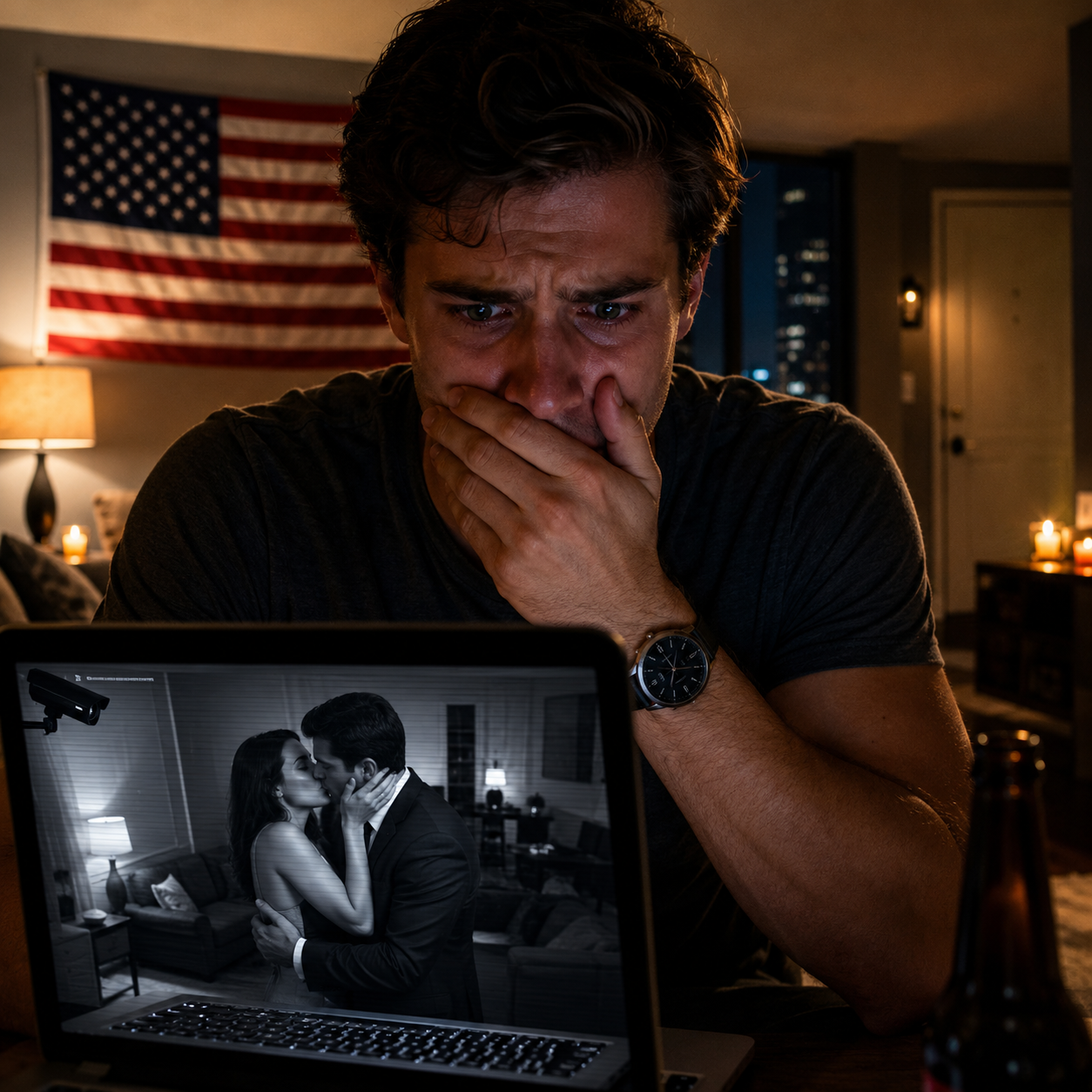

![[FULL STORY] My fiancée told me she was going to a party with her friends.I didn’t say anything.An hour after she](https://social-media.rabedo.com/thumbnails/1776996570_C4.png)
![[FULL STORY] My Girlfriend Kept Me Waiting Two Hours at a Fancy Restaurant for My Birthday Dinner She Showed](https://social-media.rabedo.com/thumbnails/1777018651_D3.png)